
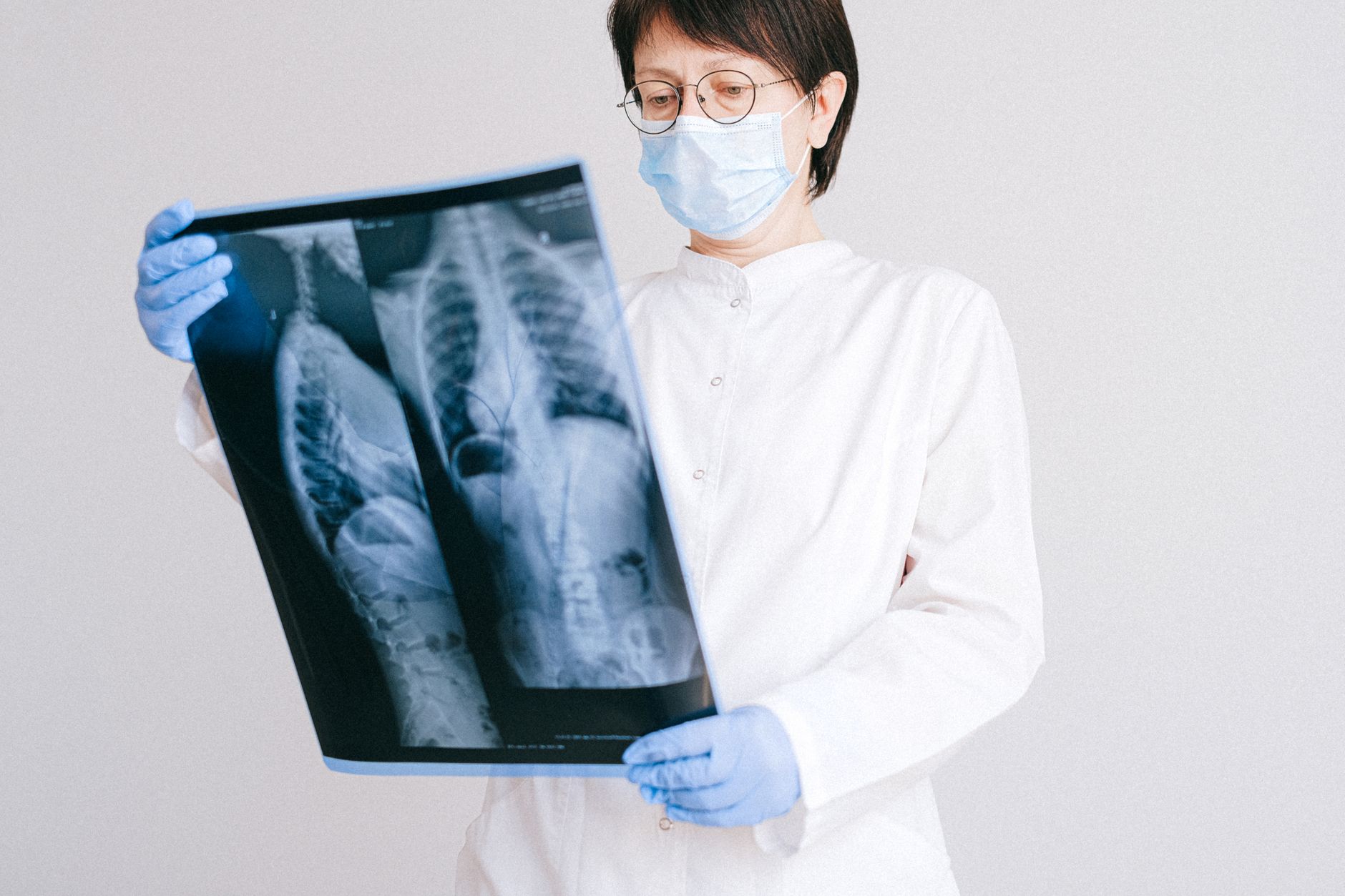
Mesothelioma is a rare and aggressive cancer that develops in the thin layer of tissue lining the lungs, abdomen, or heart, almost always as a result of past exposure to asbestos fibers. Because symptoms often take decades to appear after exposure, the disease is frequently diagnosed at an advanced stage, which shapes both treatment options and outlook.
What Mesothelioma Actually Is and Where It Develops
The name comes from the mesothelium, a thin membrane that wraps around and protects several internal organs. This lining has two layers that produce a small amount of lubricating fluid, allowing organs like the lungs to expand and contract smoothly against the chest wall. When cancer forms in these cells, it is called mesothelioma.
According to health authorities, most cases fall into one of a few categories depending on location. Pleural mesothelioma, affecting the lining of the lungs and chest cavity, accounts for the large majority of diagnoses. Peritoneal mesothelioma develops in the lining of the abdominal cavity. Rarer forms can affect the lining around the heart or testicles. Each type shares a common cause but can differ in symptoms, diagnostic approach, and treatment planning.
Doctors also classify the disease by cell type under a microscope. Epithelioid cells, the most common type, tend to be associated with a somewhat better response to treatment than sarcomatoid cells, which grow and spread more aggressively. A biphasic type contains a mix of both. This cellular distinction matters because it helps oncologists gauge how the cancer is likely to behave and which therapies are worth pursuing.
The Asbestos Connection: How Mesothelioma Occurs
Roughly all mesothelioma cases trace back to asbestos, a naturally occurring mineral once prized for its heat resistance, strength, and fire retardant properties. Asbestos was widely used through much of the twentieth century in insulation, roofing, cement, brake linings, shipbuilding materials, and countless other industrial and construction products.
When asbestos containing materials are disturbed, whether through manufacturing, demolition, renovation, or simple wear over time, they release microscopic fibers into the air. Once inhaled or swallowed, these fibers can lodge permanently in the mesothelium. Health authorities explain that the body struggles to break down or expel asbestos fibers, and over years the trapped fibers cause chronic inflammation and scarring. This ongoing irritation is believed to trigger the genetic damage that eventually leads healthy mesothelial cells to become cancerous.
This is a slow process. The latency period, meaning the time between initial asbestos exposure and the appearance of a diagnosable tumor, commonly spans several decades. This long delay is one reason mesothelioma disproportionately affects older adults and why many people diagnosed today were exposed to asbestos in workplaces or products that have since been restricted or removed.
Who Faces the Highest Risk
Occupational exposure remains the dominant risk factor. Workers in shipbuilding, construction, insulation installation, asbestos mining, automotive repair, and various manufacturing trades faced significant exposure before protective regulations tightened. Military veterans, particularly those who served aboard Navy ships built with asbestos insulation or who worked around asbestos containing equipment, represent a notable share of cases.
Exposure is not limited to those who worked directly with asbestos. Family members of exposed workers have developed mesothelioma after repeated contact with asbestos fibers carried home on clothing, hair, or tools, a pathway sometimes called secondary or take home exposure. People who lived near asbestos mines or processing plants have also faced elevated risk from environmental fiber release.
Not everyone exposed to asbestos develops mesothelioma, and researchers have not fully explained why some exposed individuals get sick while others do not. Factors likely include the intensity and duration of exposure, the type of asbestos fiber involved, and individual genetic susceptibility. Ongoing research, including studies into inherited mutations such as the BAP1 gene, is exploring why certain people appear more vulnerable to asbestos related cancers.
Recognizing the Symptoms
Symptoms vary by where the cancer develops and often resemble more common, less serious conditions, which contributes to delayed diagnosis. Pleural mesothelioma frequently causes chest pain, persistent cough, shortness of breath, unexplained weight loss, and fatigue. Fluid buildup around the lungs, known as pleural effusion, is common and can worsen breathing difficulty.
Peritoneal mesothelioma tends to produce abdominal pain and swelling, digestive changes, nausea, and unintended weight loss, sometimes alongside fluid accumulation in the abdomen called ascites. Because these symptoms overlap with many benign gastrointestinal or respiratory conditions, patients and even clinicians may not immediately suspect mesothelioma, especially without a known history of asbestos exposure.
How Doctors Diagnose Mesothelioma
Diagnosis typically begins with a review of exposure history and a physical exam, followed by imaging tests such as chest X-rays, CT scans, or MRI to look for abnormal thickening or masses in the mesothelium. Imaging can suggest mesothelioma but cannot confirm it on its own, since scarring from other asbestos related conditions can look similar.
A definitive diagnosis requires a biopsy, in which a small tissue sample is removed and examined under a microscope by a pathologist. Biopsy methods vary depending on tumor location and may involve a needle, a small surgical incision, or a minimally invasive scope procedure. Once mesothelioma is confirmed, doctors typically order additional scans to determine the stage, meaning how far the cancer has spread, which guides treatment decisions.
Treatment Approaches and What They Aim to Achieve
Treatment plans are highly individualized, based on cancer stage, cell type, tumor location, and the patient's overall health. The three primary treatment pillars are surgery, chemotherapy, and radiation therapy, often used in combination.
| Treatment | Goal | Typical Use |
|---|---|---|
| Surgery | Remove visible tumor tissue | Best candidates are earlier stage, localized disease |
| Chemotherapy | Kill or slow cancer cell growth throughout the body | Often paired with surgery or used when surgery is not an option |
| Radiation therapy | Target and shrink localized tumor areas | Used after surgery or to relieve symptoms |
| Immunotherapy | Help the immune system recognize and attack cancer cells | An expanding option, particularly for advanced disease |
| Multimodal therapy | Combine two or more approaches | Common strategy for patients healthy enough to tolerate it |
Because mesothelioma is often diagnosed at a later stage, many patients are not candidates for surgery aimed at removing the cancer entirely. In these cases, treatment goals may shift toward controlling symptoms, slowing disease progression, and preserving quality of life, an approach sometimes called palliative care. Clinical trials continue to investigate new drug combinations, immunotherapy protocols, and targeted therapies, and organizations that track cancer research maintain listings of studies currently enrolling patients with pleural or peritoneal mesothelioma.
Prevention Through Asbestos Regulation
There is no way to reverse past asbestos exposure, so prevention centers on limiting future contact with the mineral. Regulatory agencies have restricted the manufacture, import, and use of asbestos containing products over the past several decades, and workplace safety rules now require protective measures, air monitoring, and specialized handling procedures wherever asbestos may still be present, such as during the renovation or demolition of older buildings.
For workers in fields where legacy asbestos materials remain, such as construction, maintenance, and demolition, following established safety protocols, using recommended respiratory protection, and adhering to proper containment and disposal procedures significantly reduces the chance of fiber inhalation. Homeowners and contractors dealing with older insulation, flooring, or roofing materials are generally advised to have suspected asbestos containing materials tested and, if necessary, removed by licensed abatement professionals rather than disturbing them without proper precautions.
Frequently Asked Questions
Is mesothelioma?
Mesothelioma is a real, medically recognized cancer that forms in the mesothelium, the protective lining around the lungs, abdomen, heart, or, rarely, the testicles. It is rare compared to many other cancers and is strongly linked to past asbestos exposure.
What mesothelioma?
Mesothelioma is a type of cancer that begins in the cells of the mesothelium rather than in an organ itself. It most commonly affects the tissue surrounding the lungs, though it can also develop in the abdominal or heart lining.
What mesothelioma mean?
The term describes a cancer originating in mesothelial cells, the cells that make up the thin membrane lining certain body cavities. The name simply identifies where the cancer starts, not a specific symptom or stage.
Is mesothelioma cancer?
Yes. Mesothelioma is classified as a malignant cancer, meaning the abnormal cells can grow uncontrollably and, in many cases, spread beyond their original site if not treated or managed.
How mesothelioma occurs?
It develops after inhaled or ingested asbestos fibers become trapped in the mesothelium, causing long term irritation and cellular damage. Over years or decades, this damage can lead healthy cells to mutate and grow into a tumor.