
Anyone searching for mesothelioma information is usually doing so after a frightening word has just entered their life, either their own diagnosis or that of a spouse, parent, or fellow veteran. Mesothelioma is a rare cancer that forms in the thin lining surrounding the lungs, abdomen, or heart, and it develops almost exclusively after exposure to asbestos, a mineral fiber once prized for its fire resistance and durability. Understanding the basics, what the disease is, how it behaves, and what comes next, gives families a steadier footing for the decisions ahead.
What Mesothelioma Actually Is
The disease takes its name from the mesothelium, a protective membrane made of thin sheets of cells that wraps around most of the body's internal organs and allows them to move smoothly against surrounding structures. When someone breathes in or swallows microscopic asbestos fibers, those fibers can lodge in the mesothelium and, over many years, trigger chronic inflammation and cellular damage. According to the National Cancer Institute, this damage can eventually lead to the uncontrolled cell growth that defines cancer.
There are several types of mesothelioma, classified by where in the body they occur. Pleural mesothelioma, which affects the lining of the lungs, is by far the most common form. Peritoneal mesothelioma develops in the lining of the abdominal cavity, and a smaller number of cases arise in the lining around the heart or testes. Doctors also classify the disease by cell type, most often epithelioid, sarcomatoid, or a biphasic mix of the two, and this classification influences both prognosis and treatment planning.
Recognizing the Symptoms
Symptoms tend to be vague at first and often overlap with far more common conditions, which is one reason mesothelioma is frequently caught at a later stage. Pleural mesothelioma commonly causes shortness of breath, a persistent cough, chest pain, and unexplained weight loss. Fluid can accumulate between the layers of the pleura, a condition called pleural effusion, which adds to breathing difficulty. Peritoneal mesothelioma tends to produce abdominal swelling, pain, digestive changes, and fatigue as fluid builds up in the abdominal cavity.
Because these signs can resemble pneumonia, bronchitis, or ordinary digestive trouble, health authorities note that the interval between first symptoms and a confirmed diagnosis can stretch on for weeks or months. Anyone with a known history of asbestos exposure who develops persistent respiratory or abdominal symptoms is generally encouraged to mention that exposure history explicitly to their doctor, since it can help steer testing in the right direction.
Causes and Who Is Most at Risk
Nearly every confirmed case traces back to asbestos, a naturally occurring fibrous mineral that was widely used through much of the twentieth century in insulation, roofing, cement, shipbuilding materials, brake linings, and countless other industrial products. When asbestos containing materials are disturbed, cut, sanded, or allowed to deteriorate, they release fibers small enough to be inhaled deep into the lungs, where the body has no effective way to break them down or clear them out.
Occupational exposure remains the leading risk factor. Construction workers, shipyard employees, insulators, electricians, plumbers, and factory workers who handled asbestos containing products face elevated risk, as do military veterans, particularly those who served aboard Navy ships built before asbestos use was curtailed. Family members can also face secondary exposure when workers unknowingly carried fibers home on clothing, skin, or hair. The latency period between exposure and diagnosis is unusually long, often spanning several decades, which means people are sometimes diagnosed long after they last worked with the material or believe they were ever exposed to it.
How Doctors Diagnose the Disease
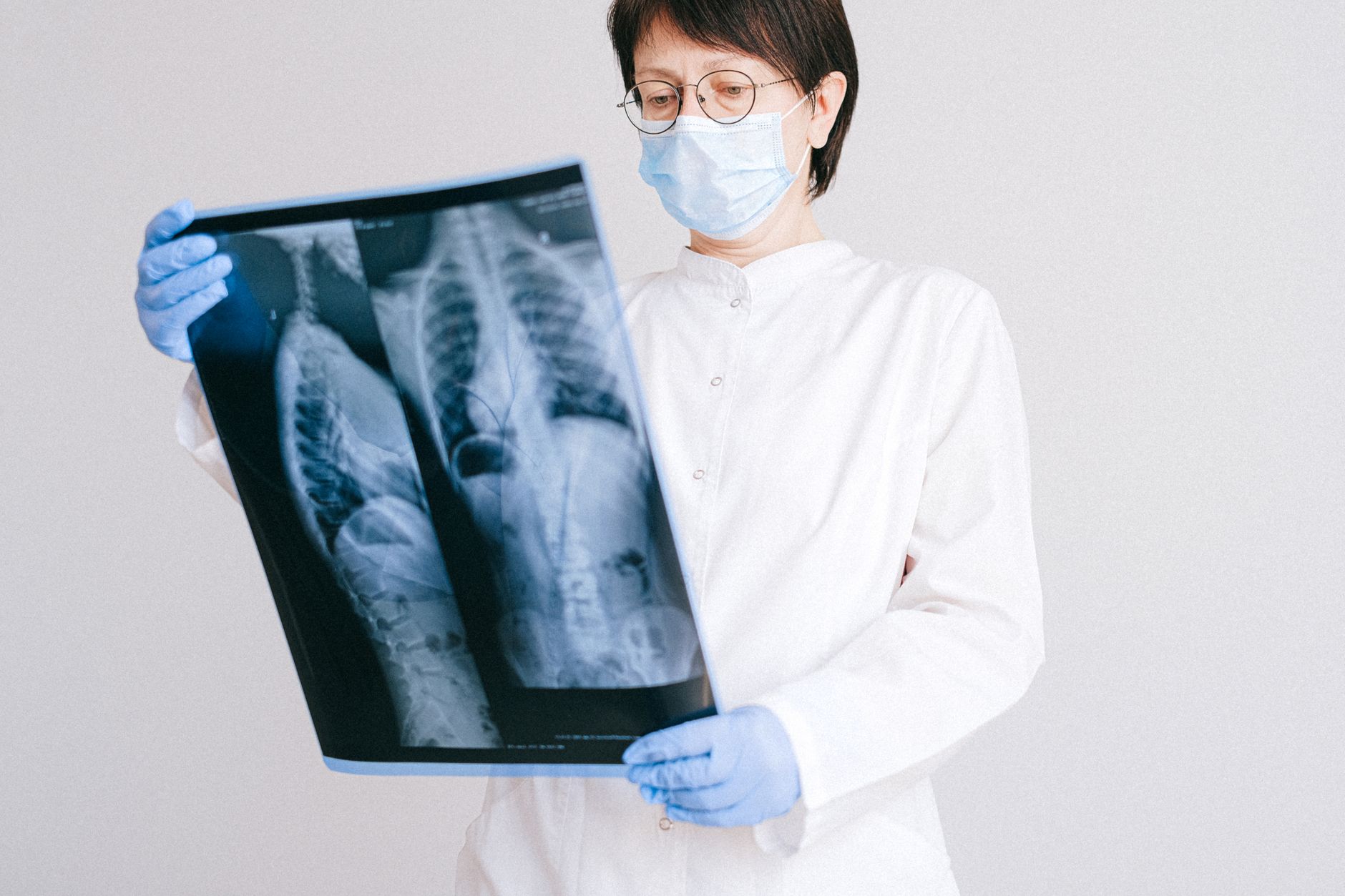
Diagnosis typically begins with imaging, such as a chest X-ray or CT scan, to identify fluid buildup, thickened pleura, or masses. Because imaging alone cannot distinguish mesothelioma from other conditions, doctors generally follow up with a biopsy, in which a small tissue sample is removed and examined under a microscope by a pathologist. Blood tests looking at certain biomarkers can support a diagnosis but are not considered sufficient on their own.
Once mesothelioma is confirmed, doctors determine the stage of the disease, essentially how far it has spread from its original site, which guides treatment choices and helps set realistic expectations. Staging systems vary somewhat by mesothelioma type, and a multidisciplinary team, often including a thoracic surgeon, medical oncologist, and radiation oncologist, typically reviews the case together.
Treatment Options and What They Involve
Treatment plans are shaped by the type and stage of mesothelioma, the patient's overall health, and personal preference, and they usually draw on a combination of approaches rather than a single therapy.
| Treatment | What It Involves | Typical Role |
|---|---|---|
| Surgery | Removing tumor tissue, sometimes along with part of the lung, pleura, or abdominal lining | Considered for patients with earlier stage disease and good overall health |
| Chemotherapy | Drugs that circulate through the body to kill or slow cancer cells | Used alone or alongside surgery and radiation, often as a first line treatment |
| Radiation therapy | Targeted high energy beams aimed at tumor sites | Used to relieve symptoms or to target remaining cells after surgery |
| Immunotherapy | Medications that help the immune system recognize and attack cancer cells | An increasingly used option, particularly when surgery is not feasible |
| Palliative care | Symptom management, including draining fluid buildup and pain control | Offered at any stage to improve comfort and quality of life |
Clinical trials also play a meaningful role in mesothelioma care, since the disease's rarity means treatment approaches continue to evolve. Patients are often encouraged to ask their care team whether a trial matches their particular case, as newer combinations of immunotherapy and targeted treatment continue to be studied for both pleural and peritoneal disease.
Prevention and Reducing Exposure Risk
Because mesothelioma has no other established cause beyond asbestos, prevention centers almost entirely on limiting contact with the mineral. Regulatory agencies have restricted asbestos use in many products and set workplace exposure limits, and employers in industries with legacy asbestos materials are generally required to follow specific safety protocols, including protective equipment and air monitoring. Older homes and buildings, particularly those built before the material fell out of favor, may still contain asbestos in insulation, flooring, or ceiling materials, and health authorities recommend leaving suspected asbestos undisturbed and hiring trained professionals for any renovation or removal work rather than attempting it without proper containment.
For people who already carry a history of exposure, whether from a former job, military service, or a family member's occupation, the most useful step is not panic but awareness: knowing the symptoms, sharing that history clearly with a doctor, and, where recommended, staying current with routine checkups so that any changes in health are caught as early as possible.